Concrete Slabs & Flatwork
Solid, level concrete surfaces for garages, sheds, equipment pads, and more.
Why Professional Concrete Slabs Make a Difference
Whether you need a garage floor, shed foundation, or equipment pad, the quality of your concrete slab affects everything that sits on it. A poorly installed slab can crack, settle, or develop uneven spots that cause problems for years. Your building might not sit level, doors might not close right, or water might pool where you don't want it.
At Hillstone Woodbury Concrete, we pour concrete slabs and flatwork that stay level and solid for decades. A skilled concrete slab contractor knows the soil conditions in their area, and that knowledge directly shapes how the base is prepared. We understand Woodbury's ground and know exactly how to prepare the base so your slab won't sink or heave when the ground freezes and thaws.
Common Uses for Concrete Slabs
- •Garage floors: Level surfaces that support vehicle weight and resist oil stains
- •Shed foundations: Stable bases that keep your storage buildings dry and level
- •Equipment pads: Heavy-duty slabs for AC units, generators, or pool equipment
- •Workshop floors: Durable surfaces for workbenches, tools, and projects
- •Basketball courts: Smooth, flat surfaces perfect for sports and outdoor activities
Our Slab Installation Process
Every concrete slab we pour follows a detailed process designed to prevent common problems like cracking, settling, and water damage. Here's how we ensure your slab will last.
Site Evaluation and Planning
We start by evaluating your site's soil, drainage, and intended use. The thickness and reinforcement requirements for a driveway slab are different from a shed pad, and we make sure every project gets the right specifications.
Excavation and Base Preparation
We excavate to the proper depth and grade the area for drainage. Then we install a compacted gravel base that provides stable support and helps prevent frost heave during Minnesota winters. This base layer is essential for long-term performance.
Forming and Reinforcement
We set forms to create clean, straight edges and add steel reinforcement where needed. Wire mesh or rebar helps control cracking and adds strength for heavy loads. For larger slabs, we plan control joints that manage natural concrete movement.
Pouring and Finishing
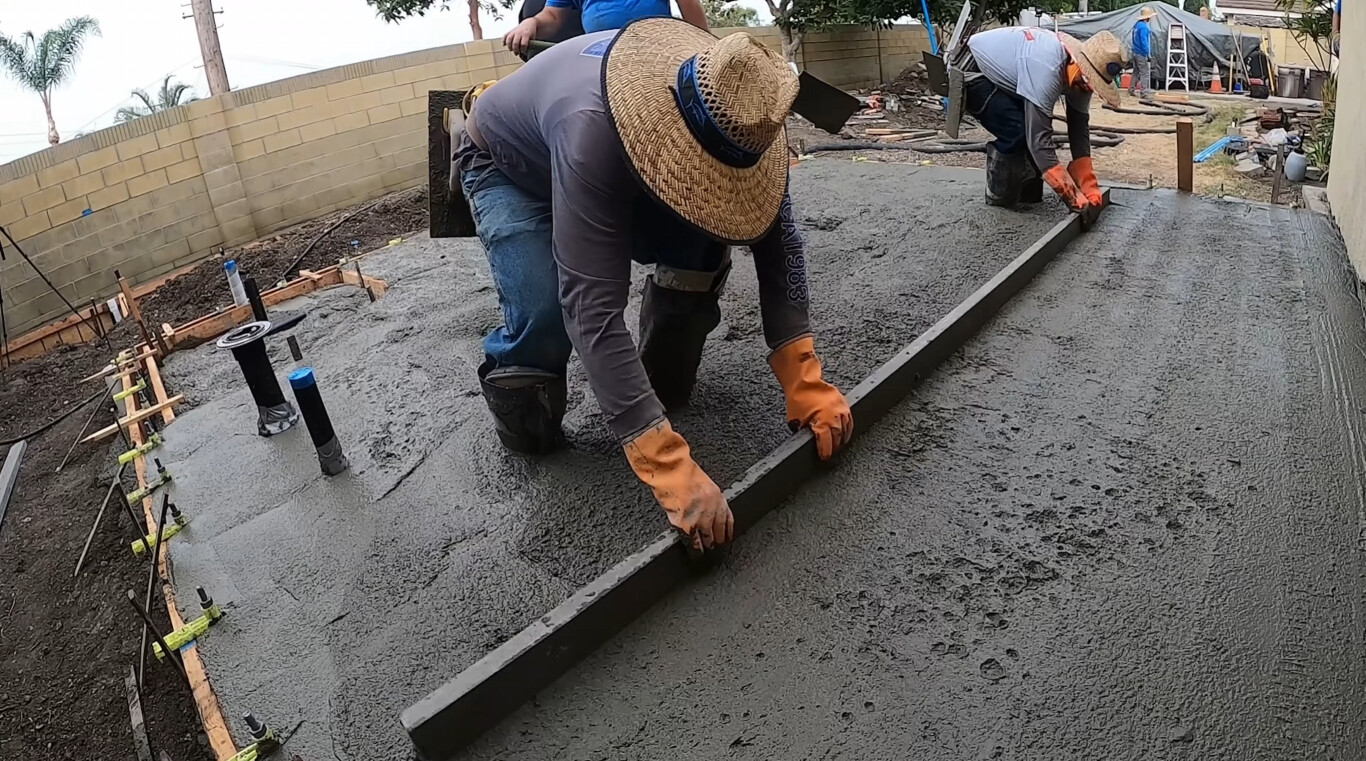
We pour concrete at the specified thickness and use professional tools to level, smooth, and finish the surface. The finish depends on your use. Garage floors often get a smooth trowel finish, while outdoor slabs might get a broom texture for better traction.
Getting the Right Specifications
Not all concrete slabs are the same. The thickness, reinforcement, and finish need to match how you'll use the space. We help you understand what your project needs so you get a slab that performs well without overspending on unnecessary features.
Thickness Matters
Most residential slabs are 4 to 6 inches thick. A shed foundation might only need 4 inches, while a garage that will hold vehicles needs at least 5 to 6 inches. Equipment pads for heavy machinery might need even more. We calculate the right thickness based on your specific needs.
Drainage Considerations
Proper drainage keeps water away from your slab and prevents undermining of the base. We slope outdoor slabs slightly so water runs off, and we can add drains for enclosed spaces like garages. Good drainage planning prevents water problems that can damage your foundation or create ice hazards in winter.
Finishing Options
We offer several finish options depending on your needs. Smooth trowel finishes work great for indoor spaces. Broom finishes add texture for outdoor safety. For a premium look, consider stamped or decorative finishes that turn your slab into an attractive feature of your property.